Why I Went Horizontal: Discovering Layens and Natural Beekeeping
When I started researching hives, I assumed I would go the standard route. Instead I fell down a rabbit hole that changed how I think about the whole hobby.
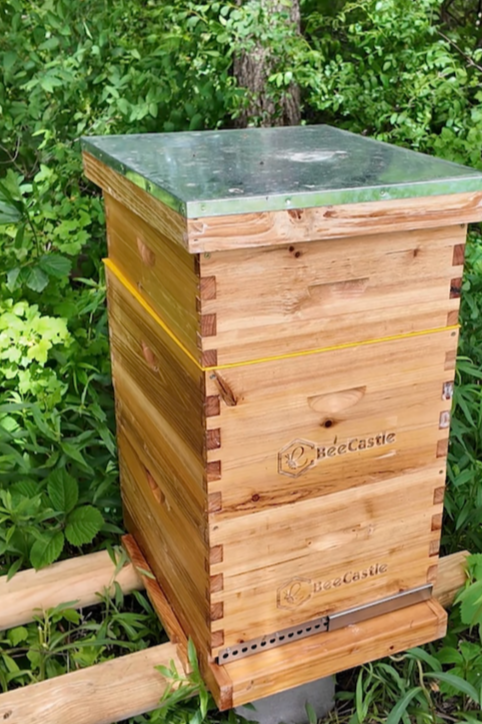
Langstroth Vertical Hive
Like most new beekeepers, I started on YouTube and worked my way across the web, trying to figure out what kind of hive to run. I planned to use standard Langstroth equipment, the familiar stacked boxes you picture when you picture a beehive.
But the more I read, the more one idea kept pulling at me: the horizontal hive.
The fork in the road
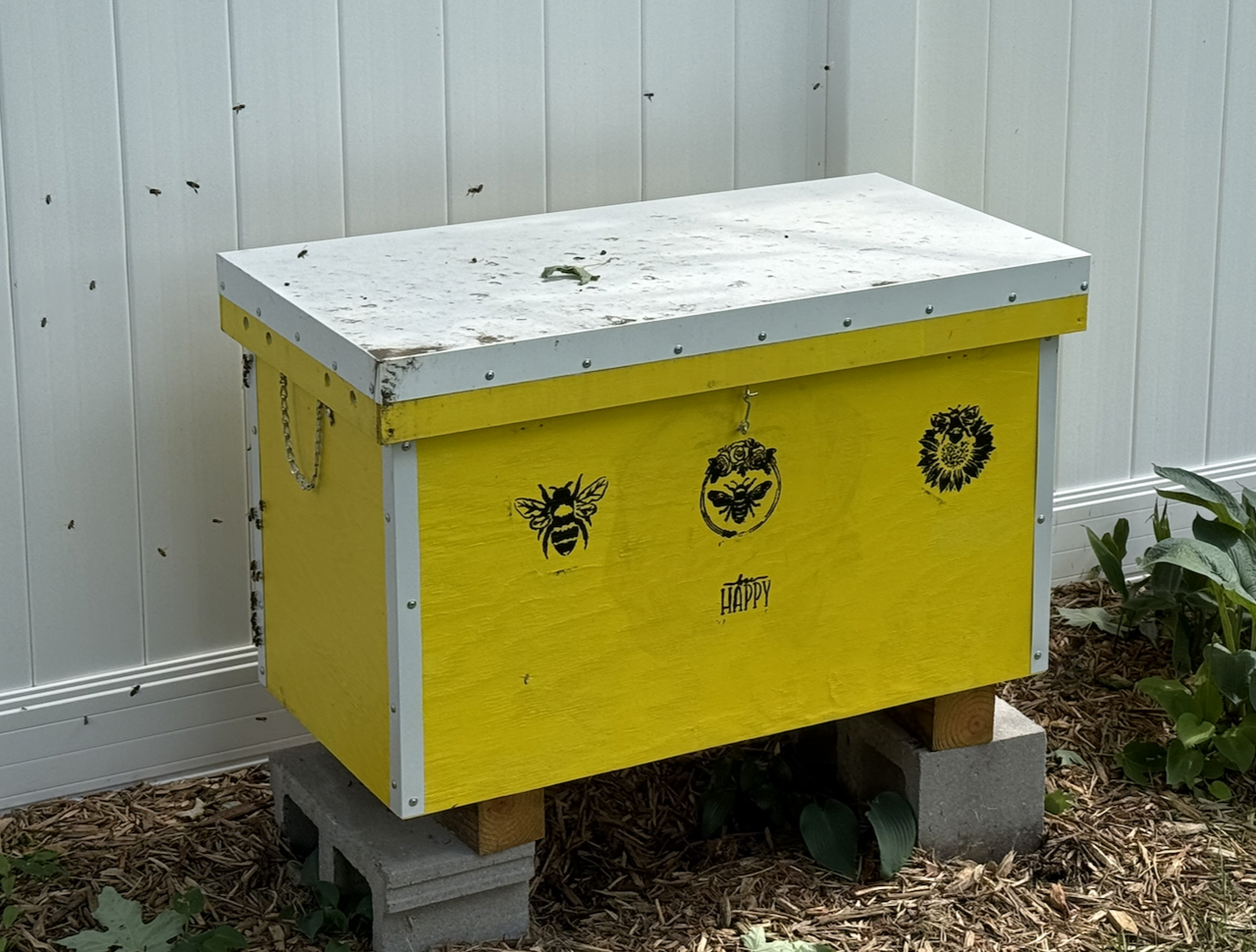
Layens Horizontal Hive
Instead of stacking boxes vertically, a horizontal hive lays everything out in a single long row of frames, side by side. You work the hive by moving down the row rather than lifting heavy boxes off the top. For someone who did not love the idea of hauling loaded honey supers around, that was appealing right away.
Once I was set on going horizontal, I still had a choice to make: a top-bar hive or a horizontal Langstroth-frame hive. I read everything I could find. What kept coming up, especially for a climate like Minnesota, was that top-bar hives can be genuinely hard to overwinter and keep going year after year. That was enough to steer me.
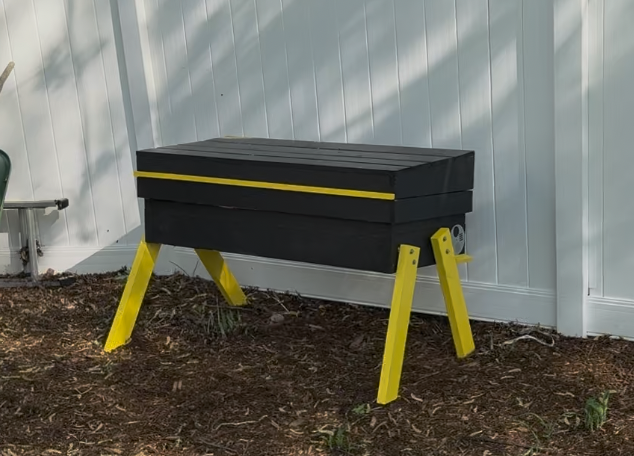
Langstroth Horizontal Hive
Note - I painted my hives black. Yes black. My rationale - I put my hives under shade trees. Shade would keep them cool in the summer. When the trees loose their leaves in the fall, the sun would warm the hive in the winter. I have no evidence of it helping or hurting the colonies.
I decided to build a horizontal hive using standard Langstroth frames. The best of both worlds, as I saw it: an easier hive to work, with frames I could source and swap like everyone else's.
I got my build plans from horizontalhive.com, and that is where the story really turns.
Meet Dr. Leo
The plans I used came from the work of Dr. Leo Sharashkin, the man behind horizontalhive.com, and he is a strong advocate for a particular philosophy. He champions the Layens hive, a deep, well-insulated horizontal hive and, more than any specific box, he champions natural beekeeping.
The Layens hive interested me a lot. It is horizontal, which I already wanted, but it is also deep and heavily insulated, which is exactly what you want going into a hard winter. So this year I went almost all-in on Layens. I now have several Layens hives, and while I still keep a couple of traditional vertical Langstroth hives, my heart is in horizontal beekeeping.
What "natural beekeeping" actually means
This is the takeaway, and it is bigger than any hive shape.
Natural beekeeping, the way Dr. Leo talks about it, is largely about getting out of the bees' way. The idea is to inspect the colony early in the season, confirm things are healthy, and then leave the bees mostly alone, coming back in late September to see what they produced and what they stored for winter. You are not popping the lid every week to poke around. You are trusting the bees to be bees.
That runs against a lot of conventional advice, which pushes frequent inspections and heavy intervention. But it clicked for me. It fits the horizontal hive, it fits my temperament as a gardener who is used to patient observation, and it sets up the other commitments I have made this year treatment-free, chemical-free, as natural as I can keep it.
Learning to actually do the leave-them-alone part, though, has been harder than I expected. That is its own story, and I will get into it in the next post.
— Craig, Bloom-N-Hive