The Accidental Beekeeper
I did not set out to become a beekeeper. I set out to grow a better garden.
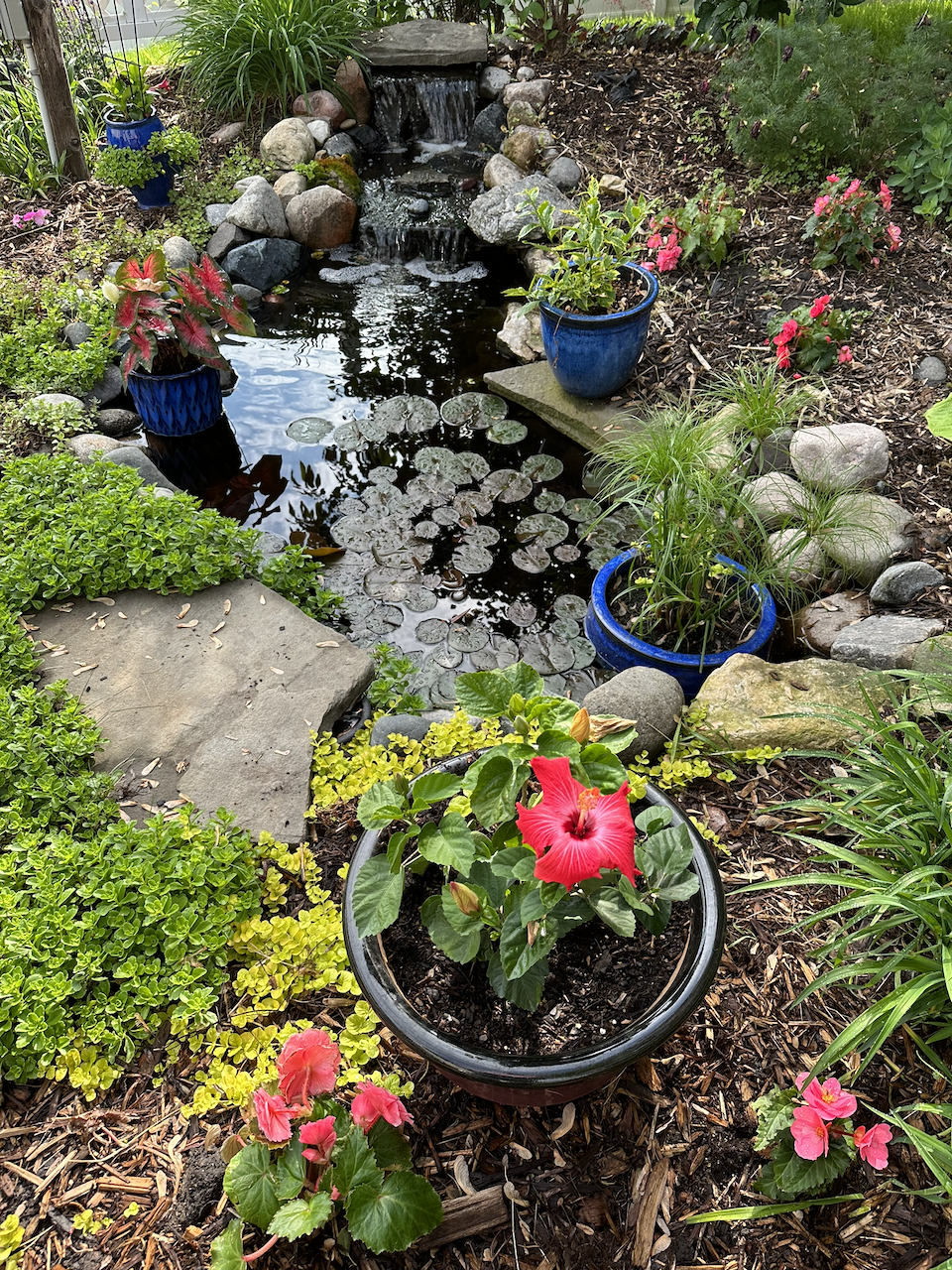
I started beekeeping to support my garden
I have been an avid gardener for years, and in 2025 I started thinking about pollination. More bees in the backyard meant better fruit set, healthier plants, a fuller harvest. So my plan was simple and modest: order a package of bees, put a single hive in the backyard, and see what all the fuss was about. Just try it. Just see what this thing actually is.
That is not what happened. What happened is that beekeeping reached up and pulled me in.
From gardener to keeper
If you already garden, you understand the pull. You are used to paying close attention to living things, to noticing small changes, to being patient across a whole season. Bees ask for exactly that, only more so. You open a hive expecting to check a box, and instead you find yourself standing there watching, completely absorbed, forgetting why you came out in the first place.
The garden was supposed to be the main event and the bees the supporting cast. Within a season, that got flipped. The bees became the thing I thought about on the drive home. The garden is still there, still thriving, still getting all the pollination it could ever want. But now it shares the yard with a hobby that has taken over a lot more of my time, my curiosity, and honestly my wallet than I ever planned.
Why bees and gardens belong together
Here is the part worth passing along, because it is the reason a lot of gardeners take this first step.
Bees and gardens are a genuine two-way partnership. Your garden gives the bees a steady, diverse buffet of pollen and nectar right outside their front door. In return, the bees work your plants harder and more thoroughly than any visiting pollinator passing through. You notice it in the fruit — more of it, better formed, more consistent. A backyard hive is one of the few additions to a garden that pays you back in the vegetable bed and eventually in the honey jar.
And that is the trap, if you want to call it a trap. You come for the pollination. You stay because you have fallen for the bees.
This is the first post in a series about how a backyard gardening experiment turned into two apiaries, a lot of hives, a hard first winter, and a full conversion to natural, horizontal beekeeping. If you have ever thought about putting a hive in your own yard, I hope some of what I got wrong saves you a season of trouble.
— Craig, Bloom-N-Hive