My First Winter and Everything That Went Wrong
Come spring, I opened two hives that should have been full of life. Both were dead. This is the story of trying to figure out why and the one mistake I will never make again.
I want to tell this one honestly, because the beekeeping content online is full of tidy success stories, and my first year was not tidy. It was a season of small wins followed by a hard, quiet loss.
The good part
The first summer actually went okay. I bottled enough honey to give to family and friends, which felt like a real milestone for a first-year beekeeper. My one honey extraction came around the Fourth of July. Not a huge haul, but honey from my own backyard, going out to people I love. That was the dream that started all of this.
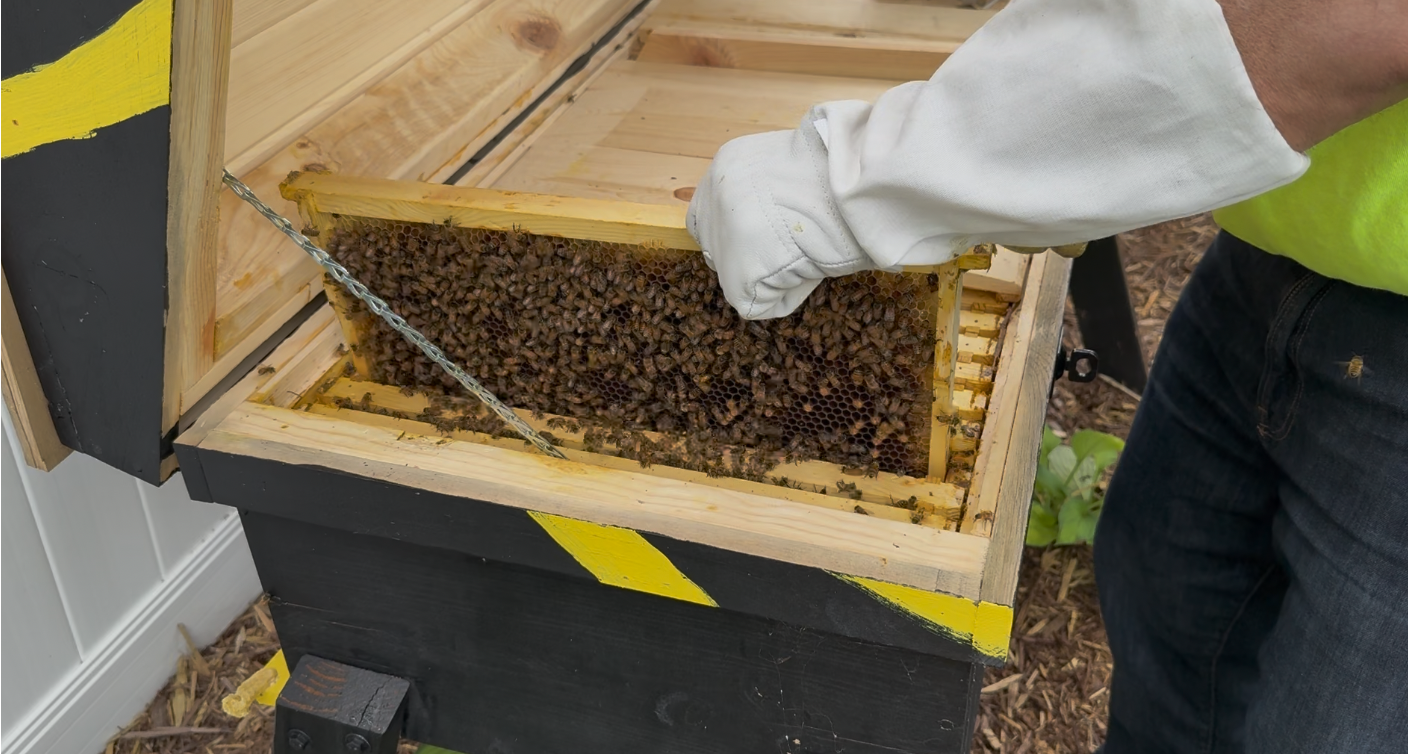
Langstroth Long Hive
Then the trouble started
The trouble showed up quietly, the way it usually does.
At some point one of my hives swarmed. Looking back, I believe the colony became honey-bound, the bees packed the frames so full of honey that the queen ran out of room to lay, brood production stalled, and the colony did what colonies do when they feel crowded. And somewhere in that stretch, I lost queens. I did not always know why or exactly when. One day the laying pattern just was not there anymore.
I replaced queens in late July, ordering them online and reintroducing them. They seemed to take. By late September I had good brood patterns again and it looked like I was back on track heading into winter. So I made my plan to overwinter the bees.
What I did for winter, and what I missed
To keep the hives warm, I put quilts on top of the top boards (under the cover), figuring that insulation would help them hold heat through the cold months. I think that got them through to about January. Then Minnesota did what Minnesota does and handed us a stretch of brutal, deep cold.
I honestly do not know the exact moment the bees died. When I finally got into the hives in spring, the picture was confusing. The inside did not look wet. Nothing looked moldy. The dead bees were down in the bottom of the hive, not clustered and stuck to the frames the way you would expect if they had simply starved or frozen in place. So I could not point to one clean cause.
But there was one thing I could see plainly. Mice. Both hives had a mouse problem. I never saw a sign of it from the outside — no obvious entry damage, nothing that tipped me off during the winter, but inside, the evidence was everywhere. The mouse damage was bad enough that I could not even tell how much honey had been left for the bees. My best guess is that the mice did the bulk of the damage, and the colonies went downhill from there.
The takeaway: never skip the mouse guard
If you take one thing from my rough first winter, take this: put a mouse guard on the entrance before it gets cold.
A mouse guard is a simple strip of metal or hardware cloth across the entrance, sized to let bees pass but keep rodents out. It costs almost nothing. Mice look for warm, dry, food-filled shelter in the fall, and a beehive is exactly that. By the time you can see the problem, it is spring and it is too late.
I did not have guards on either hive. I will never make that mistake again, and if you are heading into your first winter, do not make it either.
I lost both hives. It stung, no pun intended. But it also lit a fire under me to do this differently, and that is where the rest of the story goes: horizontal hives, natural beekeeping, and a much smarter approach to winter.
— Craig, Bloom-N-Hive